Vision
Articles about how vision works and adapts to different conditions and environments. Topics include night vision, colour perception, vision testing and managing reduced sight.
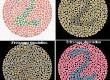
Colour Vision: What Employers Need to Know
Employers need to know how colour blindness affects safety and job performance in roles like transport, manufacturing, and design.

Computer Vision Syndrome
Eye strain from screen time causes blurred vision and dry eyes, but simple adjustments during your workday can prevent it.

Driving and Eyesight
Poor eyesight while driving puts you and others at risk, so keep your vision sharp and follow the legal requirements.
Eye Tests and Diagnosing Albinism
How eye tests can help identify albinism and its different types, from oculocutaneous to ocular forms.

Living with Low Vision
Straight facts about living with low vision, what services are available, and how to get support when you need it.
Night Blindness Explained
You might have trouble seeing in dim light—here's what causes night blindness and how to tell if you have it.

Night Vision
Night vision gets worse for many people in low light, and some experience blurred sight that can't be corrected with glasses.
Questionnaire: Do I Need an Eye Test?
Check if you need an eye test by spotting common vision problems like squinting at the TV or holding reading materials at arm's length.
The Latest Eye Tests
Regular eye tests can detect astigmatism, glaucoma, and other health conditions early when treatment is most effective.
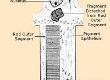
What Are Photoreceptors?
Photoreceptors are light-sensitive cells in your retina that let you see colour, contrast, and fine detail through two types called rods and cones.
What Does It Mean to Be Legally Blind?
Legal blindness isn't total sight loss, it's a specific definition that determines eligibility for benefits and support services.
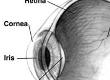
What Makes Colour Vision Possible?
Your eyes see colour because cone cells in the retina contain special pigments that respond to different wavelengths of light.